
Understanding the Process of Dental Implant Treatment
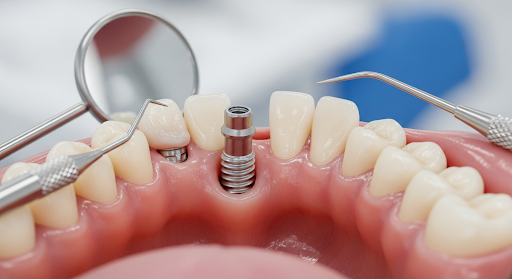
A dental implant treatment has emerged as one of the most reliable and effective solutions for replacing missing teeth. Unlike traditional dentures or bridges, implants offer a permanent foundation that mimics the structure and function of natural teeth. The process involves a series of carefully planned steps, from initial consultation and assessment to surgical placement, healing, and final restoration. Understanding each stage of the treatment is essential for patients to make informed decisions and set realistic expectations.
This guide walks you through the process, ensuring clarity and insight into what to expect throughout your implant journey.
1. Personalized Consultation and Assessment
- Comprehensive Oral Examination: Dentists carefully assess the condition of your teeth, gums, and jawbone to determine if you are a suitable candidate for implants. This examination identifies any underlying dental issues that could affect treatment success. A thorough evaluation ensures that the procedure is tailored to your oral health needs for optimal results.
- Advanced Imaging: X-rays and 3D scans provide a detailed and accurate view of your jawbone, surrounding teeth, and nerve locations. These images help the dentist plan the precise placement of each implant. By visualizing the structure, potential complications are minimized, improving overall treatment safety and effectiveness.
- Medical History Review: Dentists evaluate your overall health, including conditions like diabetes, gum disease, or habits such as smoking, which could affect healing. This step ensures that any risks are addressed before proceeding. Proper assessment helps tailor the treatment plan to support safe and successful outcomes.
- Customized Treatment Plan: Each patient receives a personalized approach based on oral structure, aesthetic goals, and functional needs. The plan outlines the number of implants, the type of restoration, and the timeline for the procedure. This individualized strategy maximizes comfort, efficiency, and long-term implant success.
- Expectation Setting: Dentists provide clear explanations about the entire process, including timelines, recovery stages, and expected results. Patients are informed about possible discomfort or limitations during healing. Transparent communication ensures realistic expectations and greater satisfaction with the treatment outcomes.
2. Surgical Placement of the Implant
- Insertion of the Titanium Post: A titanium post is carefully surgically embedded into the jawbone, serving as a stable root for the artificial tooth. This step is performed with precision to ensure proper alignment and long-term durability. The post acts as the foundation, supporting the crown while integrating naturally with the bone over time.
- Minimally Invasive Techniques: Modern dental implant procedures use advanced tools and methods to minimize tissue damage and reduce patient discomfort. Smaller incisions and guided surgery allow for faster recovery and less swelling. These techniques enhance precision while making the process safer and more comfortable for patients.
- Temporary Restorations: During the healing period, patients may receive temporary crowns or bridges to preserve aesthetics and maintain normal oral function. These restorations allow individuals to speak and eat without disruption. Temporary solutions ensure the site remains protected while the implant integrates fully with the jawbone.
3. Osseointegration: Achieving Stability
- Natural Fusion with Bone: Over several months, the titanium implant post gradually integrates with the jawbone through a process called osseointegration. This fusion creates a strong and stable foundation capable of supporting a permanent crown. Proper integration is essential for long-term durability and functionality of the dental implant.
- Monitoring Healing: Regular follow-up visits allow dentists to assess the healing process and ensure the implant is properly fusing with the bone. Any minor complications, such as inflammation or slow integration, can be detected and managed promptly. Consistent monitoring helps guarantee optimal outcomes and long-term success.
- Preparation for Final Restoration: Once the implant has fully integrated with the jawbone, the area is prepared for the placement of the permanent crown. The dentist ensures the site is healthy and the implant is stable before proceeding. This careful preparation ensures a precise fit, proper alignment, and natural appearance for the final restoration.
4. Placement of the Permanent Crown
- Custom-Designed Restoration: The permanent crown is meticulously shaped, colored, and sized to blend seamlessly with the patient’s natural teeth. This ensures that the implant is virtually indistinguishable from surrounding teeth. The customization process enhances both the aesthetic appeal and functional harmony of the restored tooth.
- Functional and Aesthetic Alignment: Dentists carefully adjust the implant and crown to achieve proper bite alignment, ensuring that chewing and speaking are comfortable. Correct alignment also prevents undue stress on the implant or surrounding teeth. This step is crucial for maintaining a natural appearance and long-term oral health.
- Final Adjustments: After the crown is placed, precise fine-tuning is performed to ensure optimal occlusion and patient comfort. Dentists check for any high spots or misalignment that could affect chewing efficiency. These adjustments guarantee a stable, comfortable, and aesthetically pleasing result for the patient.
5. Post-Treatment Care and Maintenance
- Daily Oral Hygiene: Consistent brushing, flossing, and the use of antimicrobial mouthwash are critical to maintain the health of dental implants. Proper oral care prevents plaque buildup and reduces the risk of gum disease around the implant site. Maintaining a diligent hygiene routine ensures the longevity and success of the implant.
- Regular Dental Visits: Periodic check-ups allow dentists to monitor implant stability, evaluate surrounding tissues, and detect potential issues early. These visits provide professional cleaning and guidance for maintaining optimal oral health. Routine monitoring helps ensure the implant remains functional and complication-free over the long term.
- Lifestyle Considerations: Avoiding smoking and limiting alcohol consumption supports proper healing and reduces the risk of implant failure. These lifestyle adjustments enhance bone integration and soft tissue recovery. Maintaining healthy habits contributes significantly to the long-term success of the dental implant.
- Dietary Guidelines: During the initial healing phase, soft foods are recommended to prevent undue pressure on the implant site. Gradually, patients can return to a normal diet as the implant stabilizes. Following dietary guidance ensures comfort, protects the implant, and promotes effective osseointegration.
Conclusion
Dental implant treatment provides a comprehensive solution for restoring oral health, function, and aesthetics. The benefits, ranging from improved chewing efficiency and preserved jawbone health to enhanced confidence, make implants a preferred choice for long-term tooth replacement. Understanding the detailed process empowers patients to make informed decisions.
Choosing dental implant treatment in Dubai provides not only a restored smile but also improved oral functionality, confidence, and overall well-being. By connecting with Queens Medical Center, patients benefit from advanced technology, personalized care, and lasting results. Investing in this treatment is an investment in both oral health and quality of life.