
How Therapy Table Stability Shapes Authentic Oil Treatments
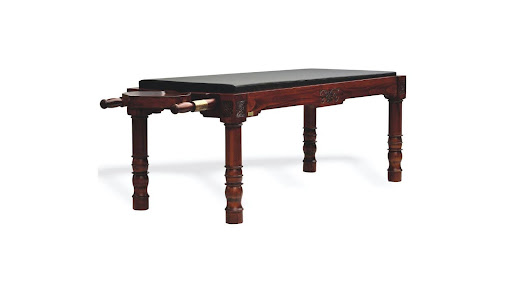
Authentic Ayurvedic oil therapies demand precision, calmness, and complete physical support to deliver their intended benefits. At the center of these treatments lies the Shirodhara Massage Bed, a foundational element that influences both the therapeutic process and the client’s experience. Stability in therapy tables is not merely a structural feature; it determines how effectively oil flow is maintained, how comfortably the client remains positioned, and how confidently the therapist performs the ritual. A stable table ensures uninterrupted therapy, consistent alignment, and a sense of safety that allows the mind and body to fully surrender to the treatment. When stability is thoughtfully engineered, it transforms traditional oil therapies into deeply immersive and authentic wellness experiences.
1. Structural Balance Supporting Traditional Oil Flow
Authentic oil treatments rely heavily on consistent flow and precise positioning. Stability in the therapy table ensures that every aspect of the ritual remains uninterrupted and effective. A well-balanced therapy table forms the physical foundation for continuous oil application. Without movement or vibration, the treatment maintains its rhythmic integrity, allowing the oil to flow evenly and consistently throughout the session.
- Even Weight Distribution
A stable table distributes the client’s weight evenly across its frame. This prevents sagging or tilting during the treatment. Consistent balance ensures that oil flows remain uninterrupted and accurate throughout the therapy. - Secure Frame Construction
Reinforced frames prevent unwanted movement during prolonged sessions. This stability supports the ritualistic nature of oil treatments. Therapists can focus entirely on technique without compensating for table instability. - Firm Base Contact with Flooring
Tables designed with a strong base contact prevent shifting on smooth surfaces. This minimizes disruptions caused by movement. A grounded base enhances both safety and treatment continuity. - Long-Term Structural Integrity
Durable construction materials ensure stability over years of use. Even with frequent sessions, the table retains its original firmness. This reliability supports consistent therapy outcomes.
2. Maintaining Client Alignment Throughout the Session
Alignment is essential in oil-based therapies where precise positioning supports relaxation and therapeutic absorption. Stability plays a direct role in maintaining this alignment from start to finish. When a client remains perfectly aligned, the body enters a state of deep relaxation. Stable tables ensure that posture remains unchanged, allowing the therapy to unfold naturally and effectively.
- Consistent Head and Spine Positioning
Stable tables prevent gradual shifts that can misalign the head or spine. Proper alignment supports uninterrupted oil flow. This consistency enhances the overall therapeutic effect. - Reduced Muscle Tension
When the body is fully supported, muscles naturally relax. Stability prevents micro-movements that cause unconscious tension. Clients experience deeper physical and mental calmness. - Enhanced Breathing Comfort
A stable surface allows natural breathing rhythms to remain undisturbed. Clients feel secure and relaxed throughout the session. This supports the meditative quality of oil treatments. - Sustained Comfort During Extended Therapies
Oil treatments often last for extended periods. Stability ensures that comfort is maintained without adjustment. Clients remain relaxed without the need for repositioning.
3. Therapist Confidence and Precision in Practice
Therapist performance is deeply influenced by the reliability of the equipment used. A stable therapy table allows practitioners to perform with confidence, accuracy, and flow. When the table remains firm and unmoving, therapists can focus entirely on technique, timing, and oil control. Stability supports precision without distraction.
- Controlled Oil Dispersion
A stable surface allows therapists to maintain precise oil flow. There is no need to compensate for movement or imbalance. This preserves the authenticity of the ritual. - Reduced Physical Strain
Stable tables eliminate the need for constant posture correction. Therapists experience less fatigue during long sessions. This supports consistent service quality. - Improved Hand Coordination
When the client remains perfectly still, hand movements become more controlled. Therapists can maintain steady rhythms. This enhances treatment effectiveness. - Confidence in Ritual Execution
Stability creates trust between the therapist and the equipment. Practitioners perform rituals with calm assurance. This confidence is reflected in the client’s experience.
4. Preserving the Ritualistic Integrity of Oil Therapies
Traditional oil treatments are rooted in rhythm, flow, and stillness. Any disruption can affect the authenticity of the practice. Stability preserves the ceremonial nature of these therapies. A stable therapy table ensures that the ritual remains uninterrupted, allowing both therapist and client to remain fully immersed in the experience.
- Unbroken Treatment Flow
Stability eliminates sudden movements that break focus. The ritual continues seamlessly from start to finish. This consistency enhances therapeutic depth. - Maintained Sensory Calmness
Unstable surfaces can create noise or vibration. Stable tables maintain a quiet and serene environment. This supports mental relaxation. - Respect for Traditional Practice
Authentic oil treatments require stillness and precision. Stability honors these principles. It allows the therapy to remain true to its origins. - Enhanced Client Trust
Clients sense when equipment is reliable. Stability builds trust and comfort. This emotional security deepens relaxation.
5. Hygiene and Oil Management Efficiency
Oil therapies require careful handling of liquids to maintain cleanliness and safety. Stability contributes significantly to effective oil management and hygiene. A firm and well-designed table prevents spills, uneven pooling, and hygiene concerns during treatments.
- Controlled Oil Containment
Stable tables prevent oil from flowing unpredictably. This keeps the treatment area clean. Proper containment supports professional hygiene standards. - Reduced Risk of Slippage
Movement can cause oil to spread beyond intended areas. Stability minimizes this risk. Both client and therapist remain safe. - Simplified Cleaning Process
Stable designs allow for easy access during post-treatment cleaning. Surfaces remain intact and accessible. Maintenance routines become efficient. - Consistent Treatment Area Organization
With no shifting parts, tools and accessories remain in place. This supports organized workflows. Cleanliness is maintained throughout sessions.
Conclusion
Therapy table stability plays a defining role in shaping authentic oil treatments by supporting alignment, preserving ritual integrity, and enhancing practitioner precision. From maintaining uninterrupted oil flow to ensuring client comfort during extended sessions, stability forms the foundation of effective Ayurvedic practices. Equipment such as a well-crafted shirodhara ayurvedic massage table ensures that traditional treatments are delivered with consistency, safety, and respect for their original intent.
Professionally designed solutions from Spa Furniture reflect this understanding by offering therapy tables engineered for stability, durability, and authentic practice. Their focus on structural balance and functional design supports wellness spaces in delivering refined oil treatments while maintaining comfort, hygiene, and long-term reliability.