
How Innovative Labeling Solutions Enhance Packaging and Brand Value
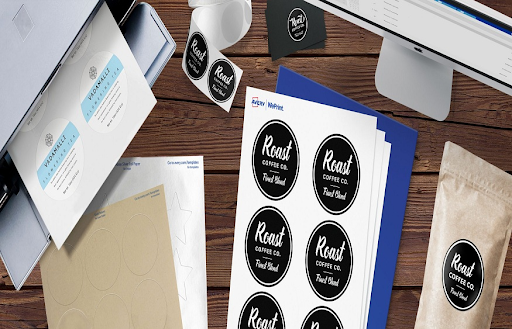
In today’s competitive market, packaging is not just about protecting products; it’s also a key element in establishing brand identity. Businesses across industries are increasingly relying on custom logo stickers for packaging to create a memorable impression and communicate their brand message effectively. From retail items to industrial products, well-designed stickers can make packaging stand out on crowded shelves. Alongside this, advancements in labeling technology have made digital labels and packaging a viable option for companies seeking flexibility and personalization in their operations.
Why Packaging Labels Matter
Packaging is often the first point of contact between a product and a customer. The right label can influence purchasing decisions, convey important information, and enhance the perceived value of a product. Labels serve multiple purposes, such as:
- Brand Recognition: Consistent design and logo placement strengthen brand identity and help consumers instantly recognize products.
- Information Sharing: Labels provide essential details like ingredients, usage instructions, and safety guidelines.
- Compliance: Many industries require specific labeling to meet legal and regulatory standards.
- Customer Engagement: Attractive and creative labels can make products more appealing, encouraging repeat purchases.
The Role of Custom Logo Stickers in Branding
Custom logo stickers for packaging are a cost-effective yet powerful tool for businesses of all sizes. Unlike generic labels, custom stickers allow companies to:
- Tailor designs to reflect their brand personality.
- Use unique shapes, colors, and finishes to catch attention.
- Add QR codes or promotional messages to engage customers digitally.
These stickers can be applied to a wide range of products, from food and beverages to cosmetics and electronics. They not only enhance the visual appeal but also reinforce brand identity, making it easier for customers to recall and trust the brand.
Benefits of Digital Labels and Packaging
Digital labeling has revolutionized the packaging industry. Unlike traditional printing methods, digital labels offer a high level of customization and speed. Some notable benefits include:
- Flexibility: Digital printing allows for variable data printing, enabling personalized messages or batch-specific information.
- Cost-Effectiveness for Small Runs: Small production runs become more affordable, making it ideal for startups and niche products.
- Faster Turnaround: Digital processes significantly reduce lead times compared to conventional printing.
- Sustainability: Digital labels reduce waste by minimizing overproduction and using eco-friendly materials.
Companies can now quickly adapt their packaging to seasonal campaigns, limited editions, or promotional offers without heavy upfront costs. This level of adaptability is particularly beneficial for businesses looking to maintain a fresh and engaging product presentation.
Sustainability with Ecolabel Lubricants
Sustainable packaging practices have become a critical aspect of responsible manufacturing. Ecolabel lubricants, for example, are used in printing and production machinery to minimize environmental impact. These lubricants are designed to:
- Reduce harmful emissions during production.
- Improve machine efficiency while being biodegradable.
- Support compliance with environmental regulations.
By integrating ecolabel lubricants into labeling and packaging processes, companies not only ensure better product quality but also demonstrate a commitment to sustainability. This appeals to environmentally conscious consumers who are increasingly making purchasing decisions based on a brand’s eco-friendly practices.
Choosing the Right Material for Labels
Selecting the right material is essential to maximize the effectiveness of labels. Materials must meet durability requirements while complementing the product and brand. Common options include:
- Paper Labels: Economical and versatile, suitable for most consumer goods.
- Vinyl and Synthetic Labels: Resistant to moisture, chemicals, and abrasion, ideal for industrial and outdoor products.
- Eco-Friendly Options: Recycled or biodegradable materials reduce environmental impact without compromising quality.
Material choice also influences the printing method, finish (matte or glossy), and adhesive type, ensuring the label performs as intended across different environments.
Design Considerations for Maximum Impact
The design of a label plays a crucial role in capturing attention and conveying key information. Effective label design involves:
- Color Psychology: Choosing colors that align with brand identity and evoke the desired emotions in customers.
- Typography: Clear and readable fonts ensure important details are easy to understand.
- Imagery: High-quality visuals enhance the appeal and convey product quality.
- Layout and Hierarchy: Organizing information in a logical and visually appealing manner prevents clutter and confusion.
By paying attention to these elements, businesses can create labels that are not only informative but also visually compelling, increasing the likelihood of customer engagement and loyalty.
Printing Techniques for Modern Labels
Various printing techniques are used depending on the requirements of the product, quantity, and budget. Some popular methods include:
- Offset Printing: High-quality prints suitable for large-scale production.
- Digital Printing: Ideal for small runs, personalized designs, and quick turnaround.
- Flexography: Cost-effective for continuous roll printing, common in food and beverage packaging.
- Screen Printing: Used for specialty finishes or unique textures on labels.
Each technique offers advantages in terms of cost, quality, and customization, allowing brands to choose the most suitable option for their products.
Integrating Technology with Labels
Modern labels are not just static designs; they can incorporate technology to enhance functionality and customer engagement. Features like QR codes, augmented reality, and NFC chips allow brands to:
- Provide interactive product experiences.
- Share additional information or usage instructions digitally.
- Track inventory and prevent counterfeiting.
- Collect consumer data for targeted marketing campaigns.
These technological integrations make labels a multifunctional tool, bridging physical packaging with digital experiences.
Packaging Trends in 2025
Several trends are shaping the future of packaging and labeling. Brands are adopting innovative strategies to remain competitive and environmentally responsible:
- Minimalist Designs: Clean, simple designs are increasingly popular for their sophistication and readability.
- Sustainable Materials: Consumers expect eco-friendly packaging, pushing brands to adopt recycled, biodegradable, or compostable materials.
- Personalization: Customized messages and limited editions enhance consumer engagement.
- Smart Packaging: Integration of digital elements and IoT-enabled features improves interactivity and supply chain efficiency.
By staying aligned with these trends, companies can maintain relevance and appeal in an ever-evolving market landscape.
Conclusion
Effective packaging and labeling go beyond aesthetics; they communicate a brand’s identity, values, and commitment to quality. By incorporating custom logo stickers for packaging, businesses can create memorable impressions, while digital labels and packaging offer flexibility, efficiency, and personalization. Additionally, sustainable practices such as using ecolabel lubricants demonstrate responsibility toward the environment and appeal to conscientious consumers.
For businesses looking to elevate their packaging game, investing in high-quality labels can provide a competitive edge. Stars Labels offers a wide range of innovative labeling solutions that cater to diverse business needs, helping brands stand out with impactful, professional, and eco-friendly labels. Whether you are looking to enhance brand recognition or adopt sustainable practices, Stars Labels can be your trusted partner in achieving packaging excellence.