
CNC Machine Tools Supporting Consistent Precision and Scalable Manufacturing Output
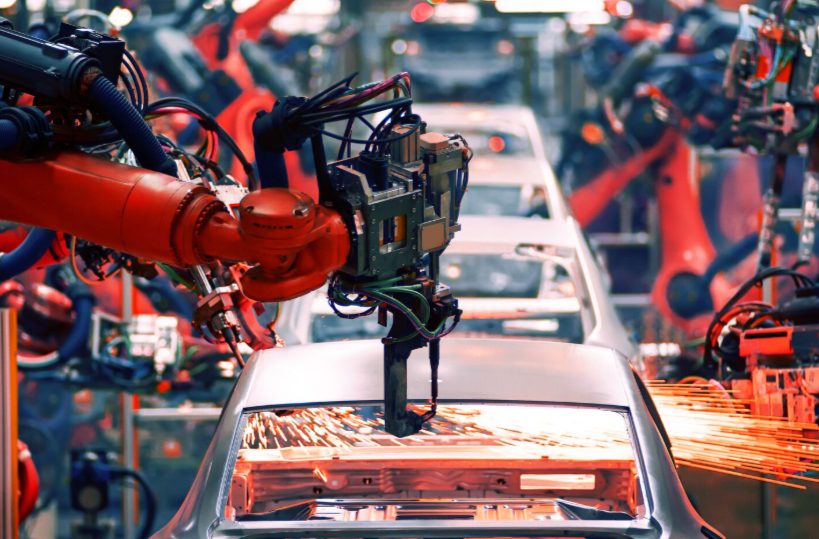
Every manufacturer wants to hit the sweet spot where high quality meets high volume. It is the ultimate goal. You want to produce parts that are perfect every single time, but you also need to be able to make thousands of them without slowing down. This is exactly where CNC machine tools changes the game.
If you have ever wondered how top-tier factories manage to keep up with massive orders while maintaining microscopic accuracy, the answer usually lies in their equipment. CNC machine tools have moved beyond just being a trend. They are now the standard for anyone serious about consistent precision and scalable manufacturing.
Here is why these tools are transforming the industry and why they might be the right step for your production line.
How does CNC technology guarantee precision?
The biggest advantage of using CNC machine tools is the removal of human error from the actual cutting process. When you rely on manual machining, even the most skilled operator can have an off day. Fatigue sets in, concentration slips, and suddenly, you have a part that is just slightly out of tolerance.
CNC machines do not get tired. They follow a programmed set of digital instructions to the letter. This means they can achieve tolerances that are incredibly tight, often measuring less than the width of a human hair. Whether you are cutting metal, plastic, or wood, the machine moves exactly where the code tells it to go. This results in a level of accuracy that manual processes simply cannot compete with.
What about consistency across large batches?
Precision is great for one part, but consistency is what matters for ten thousand parts. This is often called repeatability. In a manufacturing environment, you need the first widget to be identical to the last one coming off the line.
With CNC machining, once a design is programmed and tested, the machine can replicate that same design endlessly. There is no variance. The software ensures that every cut, drill hole, and angle is executed exactly the same way every time. This reliability is crucial for industries like aerospace and medical device manufacturing, where a tiny deviation can result in a critical failure.
How does this help with scalability?
Scaling up production used to mean hiring more people, buying more manual machines, and dealing with more training. It was a slow and expensive process. CNC tools simplify this equation.
Because these machines are automated, increasing your output is often as simple as running the machine for longer hours. Many modern manufacturing setups utilize lights-out manufacturing. This means the machines can continue to run and produce parts overnight or during weekends with minimal human supervision. You can effectively double your production capacity without doubling your workforce. This ability to ramp up quickly when demand spikes gives businesses a massive competitive edge.
Does it reduce waste and material costs?
Another benefit that often gets overlooked is material efficiency. Raw materials are expensive, and scrap metal adds up quickly. Manual machining often involves a bit of trial and error, which leads to waste.
CNC machines are incredibly efficient with how they cut. The software can arrange parts on a sheet of material to maximize usage, known as nesting. Furthermore, because mistakes are so rare, you are not throwing away damaged parts. You get more usable product out of every sheet or block of material you buy. Over a year, that reduction in waste translates to significant cost savings.
Does it make the workplace safer?
Safety is always a priority. In a traditional shop, operators are in close contact with fast-moving cutting tools, hot chips, and coolant. It is a hazardous environment.
CNC machines keep the operator at a safe distance. The cutting action happens behind a closed door or a safety guard. The operator acts more like a programmer or a supervisor, monitoring the process rather than manually controlling the cutter. This significantly lowers the risk of workplace injuries. A safer shop floor means fewer accidents, lower insurance premiums, and a happier workforce.
Why is this the future of manufacturing?
The trends are clear. We are seeing a shift toward smarter, faster, and more reliable production methods. Customers are demanding higher quality and faster turnaround times. CNC machine tools are the bridge that allows manufacturers to meet these demands.
By adopting this technology, you are not just buying a machine. You are investing in a system that guarantees quality. You are buying the ability to say yes to larger orders. You are securing a level of precision that builds trust with your clients. In a competitive market, having the ability to produce perfect parts at scale is not just a nice-to-have feature. It is an absolute necessity.