
PhD in Chemistry: The Best Proven Research Areas to Explore
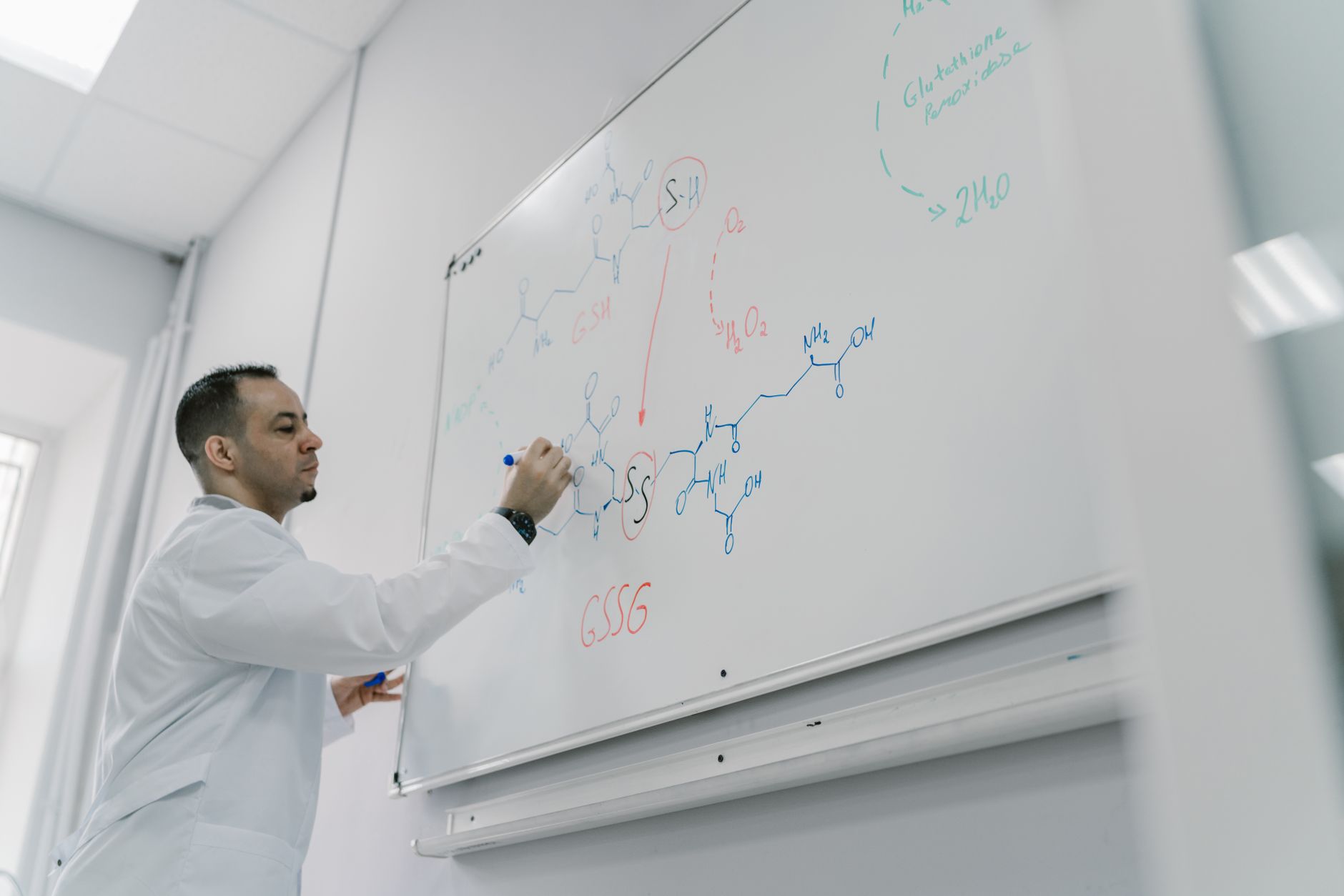
PhD in Chemistry is a vital step for aspiring scientists. This article compares research areas, laboratory support, admission requirements, fees, and potential industry careers for those considering this advanced degree.
Understanding PhD in Chemistry
A PhD in Chemistry is a prestigious academic qualification that signifies a deep understanding of chemical principles and research methodologies. This advanced degree typically requires several years of study, culminating in original research that contributes to the field of chemistry. Students pursuing a PhD engage in a variety of research areas, including but not limited to:
- Organic Chemistry – focusing on the structure, properties, and reactions of organic compounds.
- Inorganic Chemistry – dealing with inorganic compounds and materials.
- Physical Chemistry – exploring the physical properties of molecules and their interactions.
- Analytical Chemistry – emphasizing the techniques used to analyze substances.
- Biochemistry – bridging chemistry and biology to study living organisms.
PhD candidates often work closely with faculty members in laboratory settings, fostering a collaborative environment for innovation and discovery.
Key Research Areas in Chemistry
When pursuing a PhD in Chemistry, selecting the right research area is crucial for academic growth and career opportunities. Here are some key research areas that are currently gaining traction:
- Materials Science: Focuses on the development of new materials and improving existing ones for various applications.
- Drug Discovery: Involves designing and testing new pharmaceutical compounds to treat diseases more effectively.
- Environmental Chemistry: Studies chemical processes occurring in the environment and their impact on ecosystems and human health.
- Nanotechnology: Explores materials at the nanoscale, leading to innovative applications in electronics, medicine, and energy.
- Green Chemistry: Aims to develop more sustainable chemical processes that reduce waste and energy consumption.
Choosing a research area aligned with your interests can enhance your PhD in Chemistry experience and future career prospects.
Laboratory Support for Chemistry PhD Students
Laboratory support is crucial for students pursuing a PhD in Chemistry, as it provides the necessary infrastructure and resources for advanced research. Effective laboratory environments are equipped with state-of-the-art instruments and technologies, facilitating experimental work that is pivotal to a PhD candidate’s success.
Students should seek programs that offer:
- Access to specialized equipment: Such as mass spectrometers, NMR spectrometers, and chromatographs, which are essential for various chemistry research.
- Collaborative opportunities: Engagement with faculty members and fellow researchers enhances learning and innovation.
- Funding for research projects: Grants and scholarships can help alleviate financial burdens while allowing students to focus on their studies.
- Safety training: Comprehensive safety protocols ensure a secure working environment for all lab personnel.
Overall, robust laboratory support significantly enriches the PhD experience and contributes to groundbreaking discoveries in the field of chemistry.
Admission Requirements for PhD Programs
Admission requirements for a PhD in Chemistry can vary significantly between institutions, but there are common criteria that prospective students should be prepared to meet.
- Academic Background: A bachelor’s or master’s degree in chemistry or a related field is typically required.
- Transcripts: Applicants must submit official transcripts demonstrating a strong academic record, particularly in chemistry and related sciences.
- Letters of Recommendation: Most programs necessitate two to three letters from academic or professional references who can speak to the applicant’s research potential.
- Statement of Purpose: A well-crafted statement detailing research interests and career goals is crucial for demonstrating alignment with the program.
- Standardized Tests: Some programs may require GRE scores, though this is becoming less common.
Meeting these requirements is essential for those aiming to pursue advanced research in the field of chemistry.
Tuition Fees and Financial Aid Options
Pursuing a PhD in Chemistry can be a significant financial commitment, with tuition fees varying widely depending on the institution. On average, students can expect to pay between $20,000 and $50,000 per year for their program. However, many universities offer competitive financial aid options to help alleviate these costs.
These options may include:
- Research Assistantships: Many PhD students receive stipends in exchange for assisting professors with their research projects.
- Teaching Assistantships: Opportunities to teach undergraduate courses can provide both financial support and valuable teaching experience.
- Fellowships and Grants: Various organizations offer fellowships specifically for students pursuing advanced degrees in chemistry, which can cover tuition and living expenses.
- Scholarships: Some universities provide merit-based scholarships for exceptional candidates.
Understanding these options is crucial for prospective students as they consider their path in earning a PhD in Chemistry.
Career Opportunities After a PhD in Chemistry
Completing a PhD in Chemistry opens up a multitude of career opportunities across various sectors. Graduates can pursue positions in academia, industry, and government, each offering unique paths and challenges.
Some of the prominent career paths include:
- Academic Research: Many PhD holders choose to become university professors, leading research projects and mentoring the next generation of chemists.
- Pharmaceutical Industry: Opportunities abound in drug development, formulation chemistry, and regulatory affairs, where chemists play crucial roles in bringing new medications to market.
- Environmental Science: Chemists can work on sustainability projects, focusing on pollution control, waste management, and green chemistry initiatives.
- Government and Regulatory Agencies: Many graduates find positions in federal and state agencies, ensuring compliance with safety standards and environmental regulations.
In addition to these roles, a PhD in Chemistry also equips graduates with valuable skills applicable in diverse fields.
Photo by Mikhail Nilov on Pexels