
Coronation Property: A Data-Driven Overview of Digital Presence, Brand Communication, and Modern Urban Development Storytelling
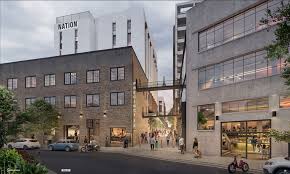
Coronation Property is a Sydney-based property development organisation recognised for delivering large-scale residential, mixed-use, and build-to-rent communities. Beyond physical developments, the organisation maintains an active digital presence that reflects its design philosophy, construction progress, and community-focused urban planning approach. This online communication strategy plays an important role in shaping public understanding of its projects and development vision.
Below is a structured, statistics-style professional breakdown presented in a question-and-answer format, focusing on its digital identity, communication methods, and brand impact.
What does Coronation Property’s digital presence represent?
The digital presence of Coronation Property represents a structured visual communication channel that showcases the evolution of major urban developments. It highlights architectural design, construction milestones, and completed residential precincts in a consistent and visually engaging format.
This presence is designed to communicate more than finished buildings. It reflects the full lifecycle of development, from early groundwork to final community activation. The emphasis is on transparency, scale, and design clarity, allowing audiences to better understand how large urban projects take shape over time.
How is visual storytelling used in property development communication?
Visual storytelling is a key element in communicating complex development projects. Through carefully curated imagery and progress updates, large-scale precincts are presented in a simplified and accessible format.
This includes construction phases, structural progress, landscaping updates, and finished lifestyle environments. The approach helps translate technical development processes into understandable visual narratives.
By focusing on real-world progress and spatial transformation, visual storytelling bridges the gap between technical planning and public engagement.
What type of content is typically highlighted?
The content generally focuses on residential precincts, mixed-use developments, and master-planned communities. Updates often include construction progress, architectural details, and finished lifestyle spaces such as courtyards, parks, and shared amenities.
A strong emphasis is placed on liveability features including green spaces, pedestrian-friendly design, and integrated community facilities. This helps illustrate how developments are designed to support modern urban lifestyles.
The content structure is consistent, ensuring that each project is represented with clarity and continuity.
How does digital communication reflect development strategy?
Digital communication reflects a broader development strategy centred on integrated urban living. Projects are positioned as complete communities rather than standalone residential buildings.
This includes the integration of housing, retail spaces, recreation zones, and public areas within a single master-planned environment. The digital narrative reinforces this approach by showcasing how each element contributes to a cohesive neighbourhood structure.
This alignment between communication and development strategy ensures a unified brand message across all platforms.
What role does community representation play in online content?
Community representation plays a significant role in shaping the digital identity of developments. Content often highlights how residents interact with shared spaces, amenities, and surrounding environments.
This includes outdoor gathering areas, landscaped zones, and lifestyle-focused infrastructure designed to support social interaction. The focus is on creating a sense of place rather than just showcasing buildings.
By highlighting community usage, the content reinforces the idea of developments as living, evolving neighbourhoods.
How does digital presence support transparency in development?
Digital platforms provide a transparent view of project progress by sharing construction updates and milestone achievements. This allows stakeholders and the public to observe how developments evolve over time.
Transparency is strengthened through consistent visual updates that reflect real-time progress on-site. This helps build trust and provides clarity around project timelines and delivery stages.
The approach also helps simplify complex development processes into easily understandable updates.
What impact does online branding have on perception of developments?
Online branding plays a key role in shaping how developments are perceived by the public. Through consistent visual themes and messaging, projects are positioned as high-quality, design-led urban environments.
The branding emphasizes modern living standards, architectural excellence, and long-term community value. This creates a strong identity that aligns with contemporary expectations of urban housing.
The consistent presentation across digital platforms reinforces recognition and trust in development quality.
How does digital engagement enhance understanding of large-scale projects?
Digital engagement enhances understanding by breaking down large and complex developments into structured visual updates. This allows audiences to follow progress in a clear and sequential manner.
By presenting construction stages, completed areas, and design features, digital content makes it easier to interpret the scale and scope of urban precincts.
This improves accessibility for a wider audience, including potential residents, stakeholders, and industry observers.
Conclusion
Coronation Property’s digital presence reflects a well-structured and visually driven communication strategy that supports its broader development approach. By showcasing construction progress, design elements, and community-focused environments, it provides a clear narrative of how large-scale urban precincts evolve.
This digital storytelling approach enhances transparency, strengthens brand identity, and improves public understanding of complex developments. As urban housing continues to grow in scale and complexity, such communication strategies play an increasingly important role in connecting development processes with community perception and engagement.