
Understanding Durable Rubber Flooring Solutions for Modern Indoor and Outdoor Spaces
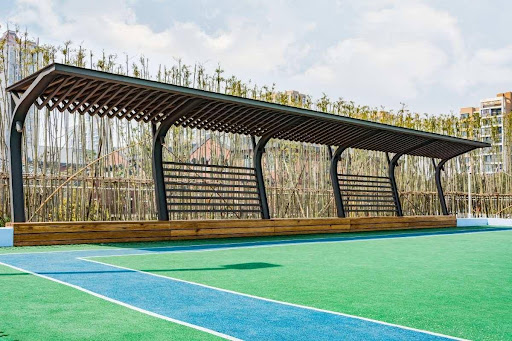
Selecting resilient flooring solutions has become a priority for architects, facility managers, and property owners seeking long-term value and safety. Best epdm flooring installation practices play a crucial role in ensuring surfaces that can withstand heavy usage, environmental stress, and changing climate conditions. EPDM flooring, known for its flexibility and resistance, has steadily gained recognition across commercial, recreational, and residential environments where durability and comfort are equally important.
Understanding EPDM Flooring Material
EPDM, or Ethylene Propylene Diene Monomer, is a synthetic rubber material widely used in flooring applications. This material is engineered to handle extreme weather, UV exposure, and physical impact without losing structural integrity.
Key material characteristics include:
- High elasticity and shock absorption
- Resistance to moisture and temperature variations
- Non-toxic and environmentally stable composition
- Long service life with minimal deterioration
Such properties make EPDM flooring suitable for playgrounds, sports facilities, walkways, rooftops, and multi-use recreational zones.
Why Installation Quality Matters
Flooring performance depends heavily on correct installation methods rather than material selection alone. Even premium materials may fail prematurely if installation standards are not followed correctly.
Proper installation ensures:
- Uniform surface leveling
- Secure bonding with the base substrate
- Reduced risk of cracks and surface separation
- Consistent aesthetic appearance over time
Professionally executed installation also helps prevent moisture penetration and structural movement, which can affect safety and durability.
Applications Across Different Environments
EPDM flooring is widely adopted across various sectors due to its adaptability and safety-oriented design.
Common application areas include:
- Children’s play areas and daycare centers
- Outdoor sports courts and jogging tracks
- Educational institutions and community parks
- Commercial terraces and rooftop spaces
- Poolside and wet-area flooring zones
Each environment benefits from the material’s slip resistance and cushioning effect, particularly in areas with high foot traffic.
Key Performance Benefits
The growing preference for EPDM flooring is largely driven by its consistent performance across diverse conditions.
Major benefits include:
- Excellent shock absorption reducing injury risk
- Weather resistance against heat, rain, and UV exposure
- Color stability that maintains visual appeal
- Noise reduction in active environments
- Low maintenance requirements
These advantages contribute to a safer and more comfortable user experience over extended periods.
Surface Preparation Essentials
Before installation begins, surface preparation is a critical step that determines the final outcome.
Important preparation steps include:
- Cleaning the base surface from dust and debris
- Ensuring proper drainage to prevent water accumulation
- Repairing cracks or uneven areas
- Applying suitable primers where required
A well-prepared surface enhances adhesive strength and extends flooring life.
Installation Process Overview
EPDM flooring installation typically involves multiple structured stages to achieve a seamless finish.
The process generally includes:
- Mixing EPDM granules with binders
- Even spreading across the prepared base
- Compacting the mixture to desired thickness
- Allowing sufficient curing time
Each step requires precision and timing to avoid inconsistencies or weak bonding.
Thickness and Layer Considerations
Different applications demand different flooring thickness levels. Choosing the right thickness enhances performance and comfort.
Typical thickness options include:
- Thin layers for decorative or low-impact zones
- Medium thickness for walkways and recreational areas
- Thicker layers for playgrounds and sports surfaces
Proper thickness selection ensures adequate shock absorption without unnecessary material usage.
Maintenance and Longevity
One of the most appealing aspects of EPDM flooring is its low maintenance requirement. Routine care can significantly extend its lifespan.
Basic maintenance practices include:
- Regular sweeping or light washing
- Periodic inspection for surface wear
- Prompt repair of localized damage
- Avoiding harsh chemical cleaners
With appropriate care, EPDM flooring can maintain functionality and appearance for many years.
Environmental and Safety Considerations
Modern construction increasingly emphasizes sustainable and safe building materials. EPDM flooring aligns well with these objectives.
Environmental and safety advantages include:
- Recyclable material composition
- Non-slip surface properties
- Non-toxic and child-safe structure
- Heat resistance reducing surface temperature buildup
These factors make EPDM flooring a responsible choice for public and private spaces alike.
Aesthetic Flexibility and Design Options
Beyond functionality, EPDM flooring offers creative design flexibility. Available in various colors and patterns, it supports both functional and decorative goals.
Design possibilities include:
- Custom color blends
- Zoning patterns for activity areas
- Branding elements for commercial spaces
- Harmonized designs with surrounding landscapes
This versatility allows designers to balance safety with visual appeal.
Cost Efficiency Over Time
While initial costs may vary, EPDM flooring delivers cost efficiency when evaluated over its lifecycle.
Long-term financial benefits include:
- Reduced repair and replacement expenses
- Minimal maintenance costs
- Lower risk of injury-related liabilities
- Extended operational lifespan
These factors contribute to better return on investment for facility owners.
Industry Standards and Compliance
Quality EPDM flooring installations typically comply with international safety and performance standards.
Compliance areas often cover:
- Impact attenuation requirements
- Slip resistance benchmarks
- Environmental safety certifications
- Fire and weather resistance criteria
Meeting these standards ensures user safety and regulatory acceptance.
Choosing Reliable Installation Expertise
Selecting experienced professionals is essential for achieving consistent flooring outcomes. Skilled installers understand material behavior, environmental conditions, and surface requirements.
Professional expertise ensures:
- Accurate material mixing ratios
- Proper curing time management
- Precision finishing techniques
- Long-term performance reliability
This expertise supports the delivery of best quality epdm flooring, ensuring surfaces that perform as intended.
Challenges and Mitigation Strategies
Like any flooring solution, EPDM installations may face challenges if not planned carefully.
Common challenges include:
- Improper surface preparation
- Incorrect binder ratios
- Inadequate curing conditions
- Poor drainage design
These risks can be mitigated through planning, experienced handling, and adherence to proven installation practices.
Future Trends in EPDM Flooring
The EPDM flooring sector continues to evolve with innovations focused on sustainability and performance.
Emerging trends include:
- Enhanced UV-resistant formulations
- Improved eco-friendly binders
- Advanced color retention technologies
- Modular installation techniques
Such developments aim to further enhance durability and installation efficiency.
Conclusion
EPDM flooring represents a reliable and versatile solution for modern spaces requiring safety, durability, and visual appeal. With thoughtful planning, professional execution, and informed material selection, long-lasting results can be achieved across diverse environments. For organizations seeking dependable installation support and consistent material standards, Cypex Group offers expertise tailored to project-specific requirements. Their professional approach helps ensure performance-driven flooring outcomes that align with safety expectations and long-term value goals.