
How Emerging Technologies Are Transforming Modern Banking
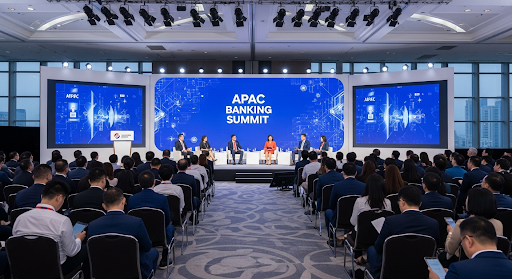
The banking industry, long seen as a bastion of tradition, is undergoing a profound transformation fueled by cutting-edge technology. As institutions strive to meet evolving customer expectations, enhance security, and streamline operations, the shift from legacy systems to modern platforms is more critical than ever. Events like the APAC Banking expo have highlighted the growing momentum of digital adoption, showcasing how financial institutions across the Asia-Pacific region are embracing technology to redefine banking.
The Legacy Challenge
For decades, banks relied on monolithic legacy systems that often restricted innovation. While these systems provided stability, they lacked flexibility and scalability, making it challenging to implement new services or integrate emerging technologies. Regulatory constraints and security concerns further slowed the pace of technological adoption, leaving many banks lagging behind other industries in digital transformation.
Despite these challenges, the urgency to modernize has never been greater. Customers now expect seamless, personalized, and instant banking experiences, which traditional systems struggle to deliver. To remain competitive, banks must pivot toward cloud platforms, microservices, and API-driven architectures that allow for faster innovation and improved operational efficiency.
Digital Innovations Shaping Banking Today
Several technological advancements are driving this transformation, enabling banks to deliver superior services while meeting the expectations of a digital-first audience. These innovations are reshaping customer experiences and operational strategies across the financial sector.
Mobile and Online Banking Evolution
Mobile banking has become a cornerstone of modern banking, allowing customers to manage accounts, transfer funds, and monitor spending in real time from their devices. Online banking platforms now offer budgeting tools, personalized investment advice, and instant notifications, enhancing convenience, reducing operational costs, and improving overall financial literacy.
Artificial Intelligence and Machine Learning
AI and ML are revolutionizing banking operations by enabling predictive analytics, risk modeling, and highly personalized financial recommendations. Chatbots and robo-advisors provide immediate support for routine inquiries, while AI algorithms detect fraudulent activities and optimize credit decisions, ensuring both operational efficiency and customer security.
Blockchain Beyond Cryptocurrency
Blockchain technology enhances transparency, reduces fraud, and streamlines cross-border transactions with secure, decentralized ledgers. Beyond cryptocurrency, it is used to safeguard KYC processes, facilitate faster settlements, and maintain tamper-proof records, building trust while improving operational efficiency across financial institutions.
Generative and Agentic AI
Generative AI is transforming workflows by automating tasks such as drafting reports, handling customer support, and monitoring for fraud. Agentic AI takes this further by autonomously executing end-to-end processes, including onboarding, payments, and risk checks, reducing operational costs while improving service quality and consistency.
Open Banking and API Integration
APIs allow banks to seamlessly integrate third-party services into their platforms, giving consumers access to aggregated accounts, tailored insights, and innovative financial products. This integration fosters a connected ecosystem, empowering customers while creating new revenue streams and business opportunities for banks.
The Rise of Embedded Finance
Embedded finance is changing the way banking services are delivered by integrating payments, lending, and insurance directly into non-financial platforms. For instance, e-commerce sites, ride-sharing apps, and healthcare platforms can now offer seamless financial services within their ecosystems. This not only improves customer convenience but also enables banks to reach new audiences, creating additional revenue streams without the need for traditional branch networks.
Cloud Banking and Microservices
Cloud platforms provide scalability, resilience, and cost-efficiency, allowing banks to adapt to changing market demands quickly. Microservices architectures break down monolithic systems into modular components, enabling faster deployment of services, real-time updates, and smooth integration with fintech partners.
The Role of Fintech Partnerships in Accelerating Innovation
Banks are increasingly collaborating with fintech companies to stay competitive and accelerate technological adoption. These partnerships allow traditional institutions to leverage specialized fintech expertise in areas like payments, digital lending, or AI-powered fraud detection. By integrating fintech solutions, banks can quickly offer cutting-edge services without developing every technology in-house, reducing costs, speeding up innovation, and enhancing the overall customer experience.
Quantum Computing
Quantum computing promises to revolutionize risk modeling, portfolio optimization, and fraud detection by processing vast, complex datasets simultaneously. This capability accelerates decision-making and enables financial institutions to tackle challenges that were previously computationally impossible, opening doors to advanced financial strategies.
Cybersecurity Innovations
Banks are adopting advanced security measures, including biometrics, behavioral analytics, and passwordless authentication, to counter increasingly sophisticated cyber threats. AI-powered monitoring systems detect suspicious activity in real time, ensuring robust data protection while maintaining a seamless and convenient user experience.
ESG and Inclusive Finance
Technology helps banks advance environmental, social, and governance (ESG) goals by improving transparency and accountability in green investments. AI and IoT monitor environmental impact, while digital platforms expand access to financial services for underserved communities, promoting financial inclusion and socially responsible banking practices.
Meeting Customer Expectations with Hyper-Personalization
Customers today expect financial services tailored to their individual needs and preferences. Hyper-personalization uses data from spending patterns, social behavior, and financial history to offer customized products and services, enabling banks to proactively suggest loans, insurance, or investment options, creating more engaged and loyal clients.
Data-Driven Decision Making in Banking
Modern banks are increasingly relying on data analytics to make smarter business decisions. By leveraging insights from transaction history, market trends, and customer behavior, banks can design more effective marketing strategies, anticipate financial risks, and optimize product offerings. This data-driven approach also helps institutions remain agile, respond to market changes faster, and deliver personalized solutions that strengthen customer relationships.
Conclusion
Emerging technologies are no longer optional; they are essential for modern banking. From AI-driven insights and blockchain security to cloud infrastructure and hyper-personalization, banks that embrace innovation are better positioned to meet customer expectations, improve operational efficiency, and stay competitive in a rapidly evolving digital landscape. As the industry moves forward, events like the APAC Banking event continue to provide a platform for knowledge sharing, collaboration, and exploring the next wave of transformative financial technologies.
For those eager to engage further with the ongoing banking transformation, the WFIS Vietnam (World Financial Innovation Series) summit provides an excellent platform. Participants, whether as sponsors or delegates, can access thought leadership sessions, interactive exhibitions, and networking opportunities with leading financial innovators, offering a unique chance to connect with the forefront of financial technology in Southeast Asia.